Heavy Packaging Hurts People — and Your Customer Pays to Bury It
The cost of heavy packaging is not only freight. It is backs at your dock and landfill fees at your customer s.
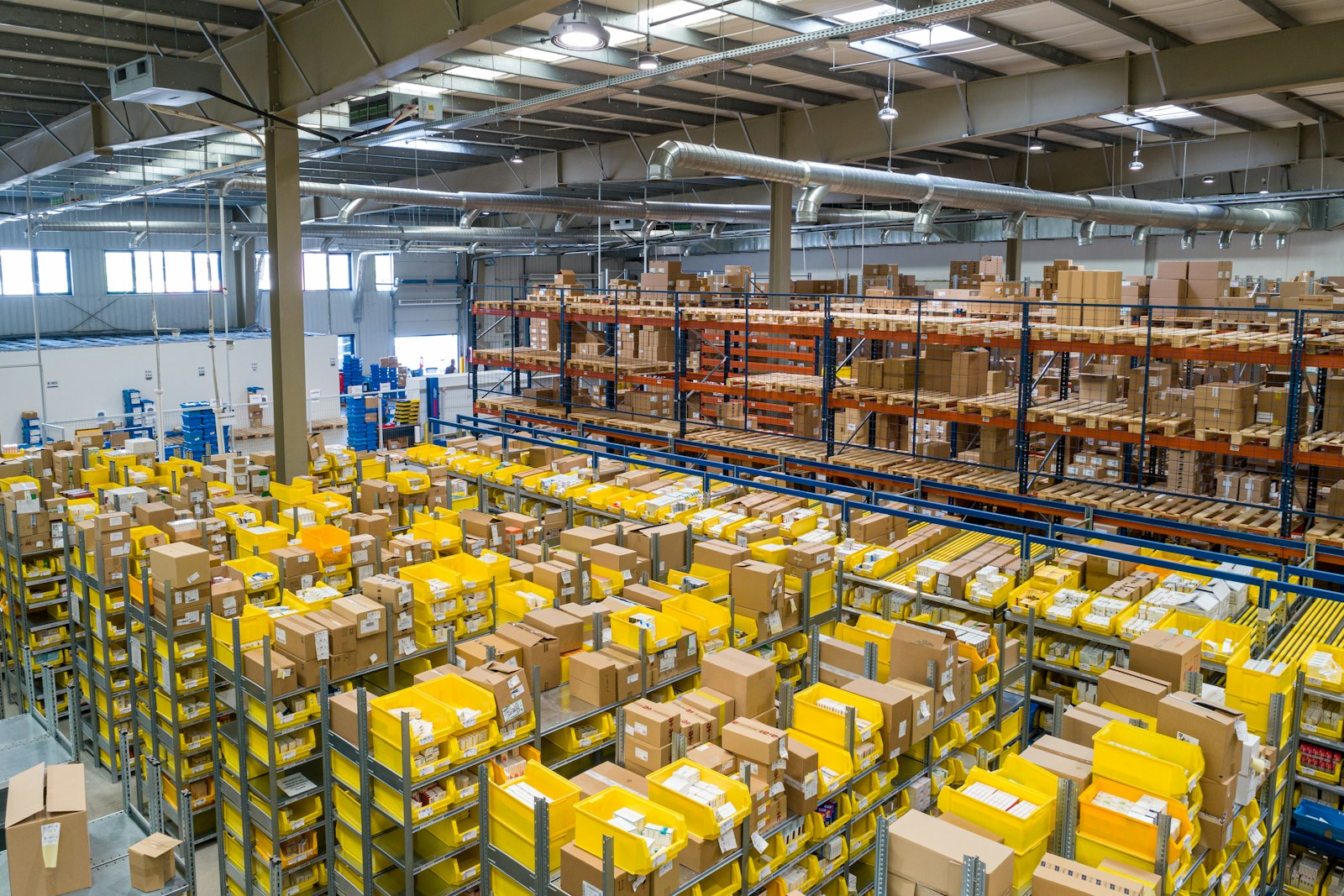
Packaging weight has two human costs that rarely appear in a cost model. At origin, someone has to lift it. At destination, someone has to get rid of it.
Both are quietly expensive, and both are solved by the same change in material.
The lift nobody should be doing
A standard wooden pallet weighs around 25kg. Most ergonomic guidance treats that as a two-person lift, particularly when it is awkward, repeated, or performed at floor level in a hot warehouse.
In practice it is often lifted by one person because the second person is busy. The results are the most common warehouse injuries there are: lower-back strain, shoulder injuries, and crush injuries to hands and feet.
Those injuries carry direct costs (compensation claims, insurance premiums, replacement labour) and indirect ones (lost experienced staff, slower loading, audit findings during customer or certification inspections).
What ~5kg changes on the floor
A honeycomb pallet at roughly 5kg is a one-person lift by any standard. Staff can position, restack, and correct loads without waiting for a second pair of hands, which speeds loading as well as making it safer.
There is a secondary safety benefit that gets overlooked: no nails, no staples, and no splinters. A large share of packaging-related first-aid incidents are lacerations from fasteners and splinters rather than lifting injuries at all.
The disposal problem you hand to your customer
Once your goods arrive, the packaging becomes your customer s problem. Wooden crates and pallets typically go to landfill or require paid collection; plastic needs specialist recycling that is not available everywhere; foam is close to unrecyclable and increasingly restricted.
Under extended producer responsibility schemes, that disposal is not free — it is a fee priced by material and weight, and it lands on the importer.
Honeycomb goes into the paper recycling stream that already exists everywhere. For the receiving customer, disposal is routine and free, and it can be reported as recycled rather than landfilled in their sustainability accounting.
Why this matters in a procurement conversation
Buyers increasingly evaluate suppliers on more than unit price. Packaging that is safe to handle and free to dispose of is a genuine differentiator in supplier scorecards, ESG questionnaires, and factory audits.
It is also a concrete story for your own reporting: a measurable reduction in manual handling risk, and a packaging waste stream that moves from landfill to recycling.
Frequently asked questions
How heavy is a honeycomb pallet compared to a wooden one?
Around 5kg versus roughly 25kg for a comparable wooden export pallet, which moves it from a two-person lift to a one-person lift under standard manual handling guidance.
Can honeycomb packaging be recycled by the receiving customer?
Yes. It is kraft paper with water-based adhesive, so it goes into ordinary paper and cardboard recycling with no separation step, no specialist facility, and no disposal fee.
Does lighter packaging mean weaker protection?
No, when it is engineered correctly. Load capacity is set through core thickness, cell size and paper grade; engineered panels handle around 12kN compression and pallet-grade builds carry static loads comparable to plywood for typical export cargo.
Lighter on your team, lighter on your customer
Request a sample kit and let your warehouse team handle it before you commit to a production run.